
What is the Water Treatment Process?
The water industry is dedicated to improving water treatment processes—including both water transmission and home filtration—to ensure that everyone has access to safe drinking water. But how, exactly, does this critical process work? From source to tap, every step is designed to remove impurities and harmful substances, rendering the water safe, clean, and ready for consumption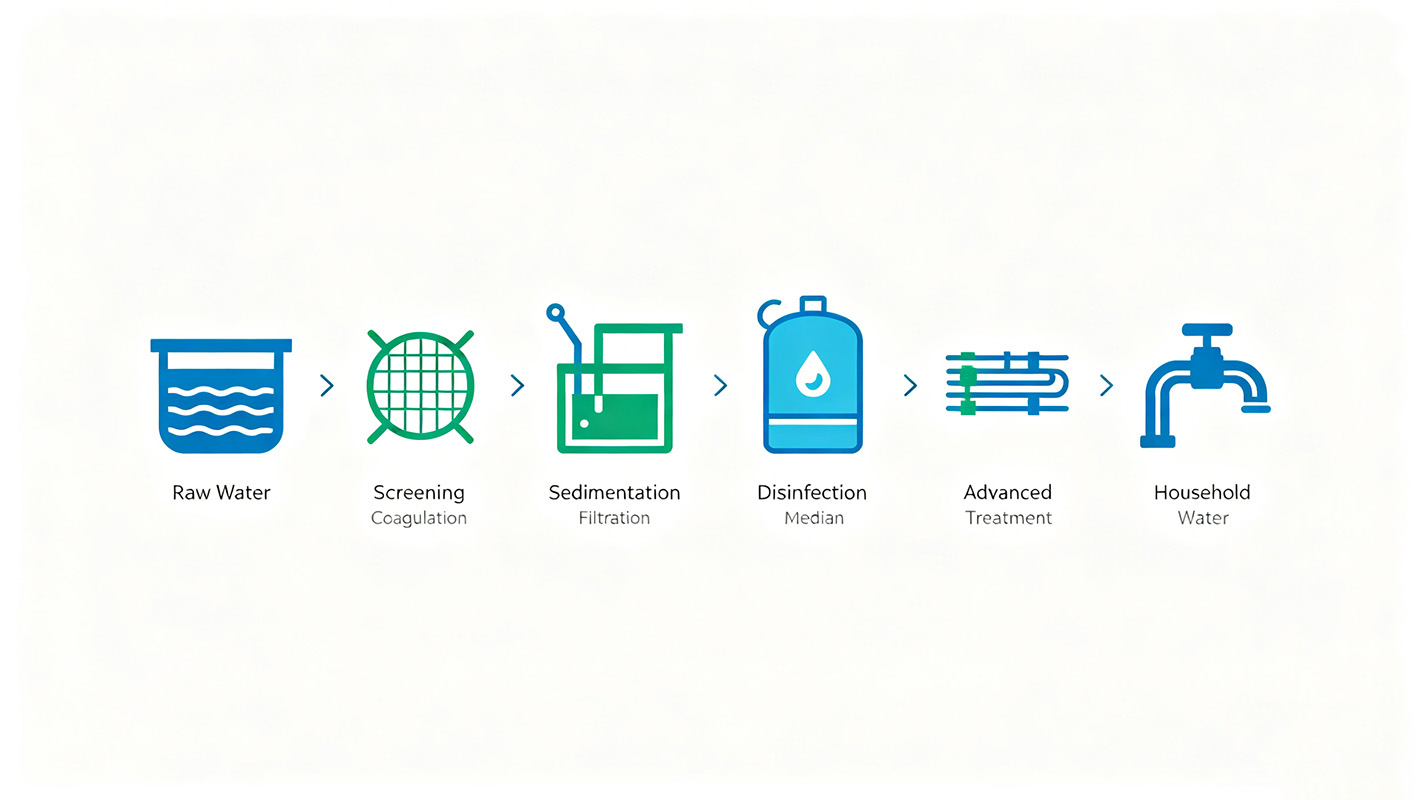
Core Drinking Water Treatment Processes (Standard Waterworks Procedures)
The entire process of treating municipal tap water can be summarized as follows: Raw Water → Purification → Disinfection → Transmission & Distribution → Home Delivery. The standard procedure consists of four core steps; however, if the quality of the raw water source is poor, additional advanced treatment stages may be added.
1. Water Intake (Raw Water Stage)
Raw water is typically drawn from natural sources such as rivers, lakes, reservoirs, or groundwater. The first step involves passing the water through a screen or grate to remove large floating debris—such as branches, trash, and leaves. This step prevents clogging in downstream equipment and ensures the smooth operation of the entire treatment process.
2. Coagulation and Sedimentation (Removal of Suspended Solids and Colloids)
This stage primarily targets tiny impurities that cause water turbidity and are difficult to remove directly.
Coagulation: Coagulants (such as polyaluminum chloride or aluminum sulfate) are added to the water. These chemicals bind with the tiny impurities, silt, and colloids present in the water, forming larger, heavier clumps known as "floc" (colloquially referred to as "alum flowers").
Sedimentation: The water flows slowly into a sedimentation tank. Under the influence of gravity, the heavy floc settles to the bottom of the tank, forming a layer of sludge, while the water in the upper layers becomes significantly clearer.
3. Filtration (Fine Purification)
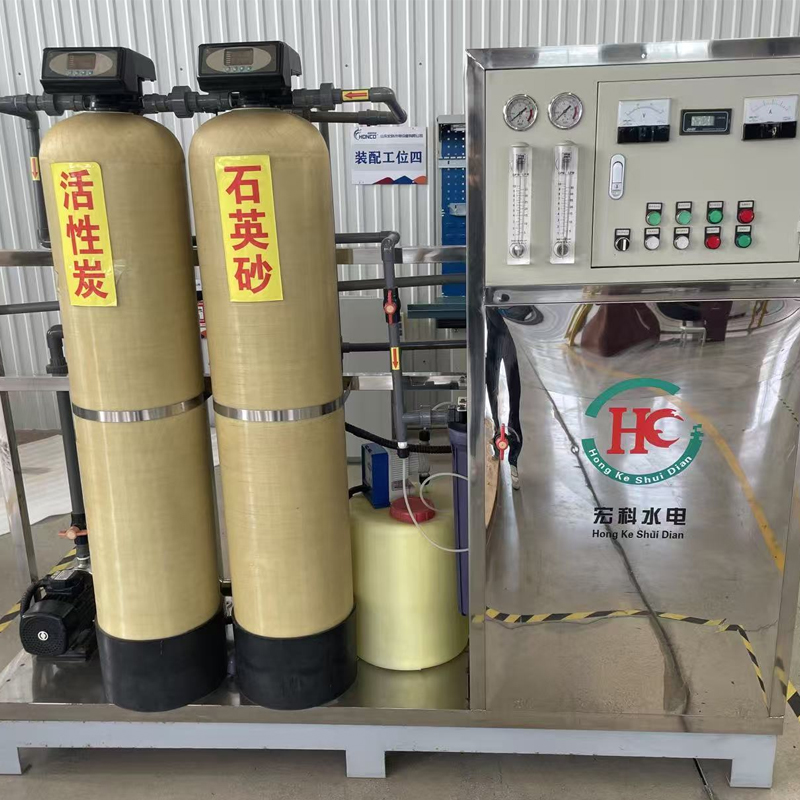
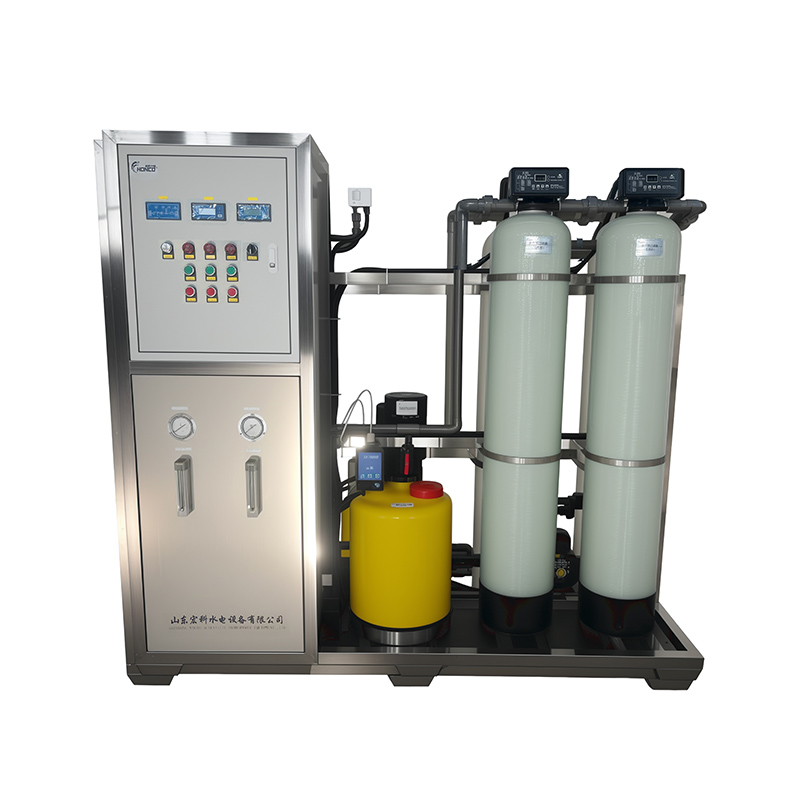
Once sedimentation is complete, the water proceeds to a filtration stage to remove any remaining tiny particles. The water flows through a layer of filter media—typically quartz sand, anthracite, or activated carbon. This step primarily removes the following substances:
Tiny suspended solids
Bacteria, algae, and other microorganisms
Coloration and odors
Upon completion of filtration, the water is essentially clear and transparent.
4. Disinfection (Elimination of Microorganisms)
Disinfection is a critical step in ensuring the safety and quality of the water throughout the transmission and distribution process. The most commonly used disinfection methods employ liquid chlorine, sodium hypochlorite, or chlorine dioxide. Their specific functions are as follows:
To eliminate harmful bacteria, viruses, and coliforms that may cause waterborne diseases.
To maintain a residual chlorine level within the water supply distribution network, thereby preventing secondary contamination during the transmission process.
5. Advanced Treatment (Applicable to High-Quality Drinking Water)
Newly constructed water treatment plants—or those aiming to meet higher water quality standards—often incorporate additional advanced treatment steps:
Activated Carbon Adsorption: Removes residual odors, organic matter, and pesticide residues.
Ozone Oxidation: Breaks down refractory organic compounds and eliminates color and odors.
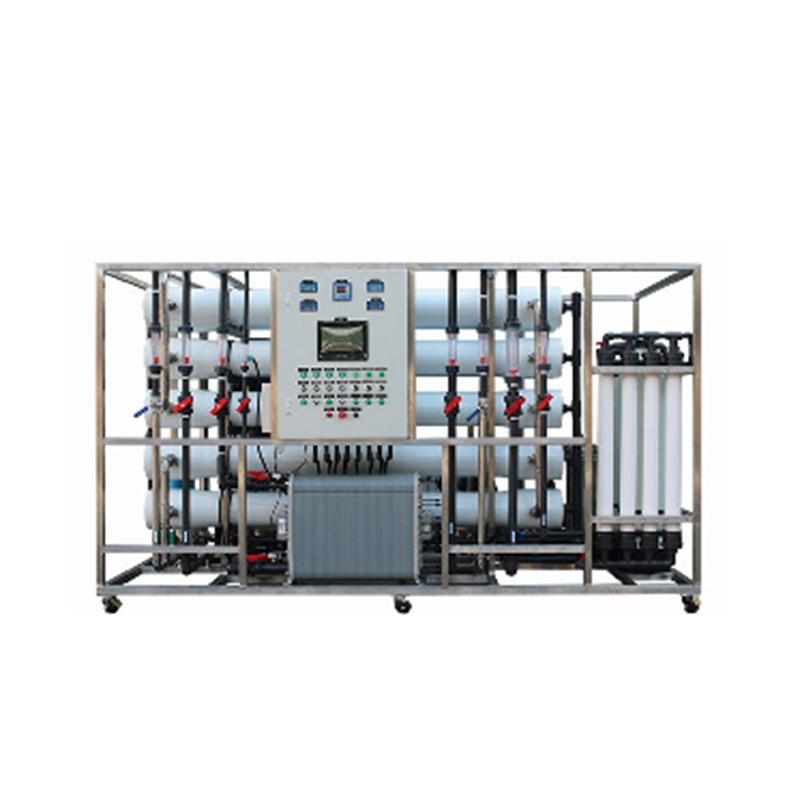
Ultrafiltration (UF) / Reverse Osmosis (RO): Used in processes for producing purified water or direct-drinking water; capable of removing heavy metals, ions, and nitrates.
6. Water Transmission and Distribution (From Plant to Home)
Once disinfection is complete, the treated water is stored in clear water reservoirs. It is then pumped via secondary pumping stations into the municipal water supply network, flows onward to residential community water tanks (for secondary supply), and finally reaches the faucets in individual homes.
Key control parameters monitored during the transmission and distribution process include: residual chlorine, pH levels, turbidity, microbial content, and heavy metals.
7. Home-End Filtration (An Extra Layer of Assurance)
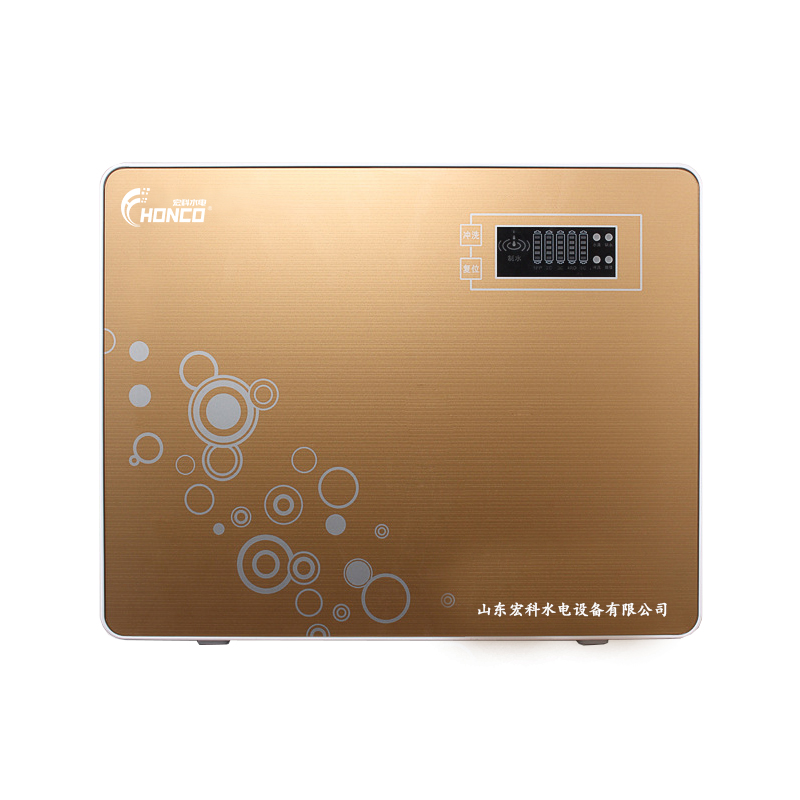
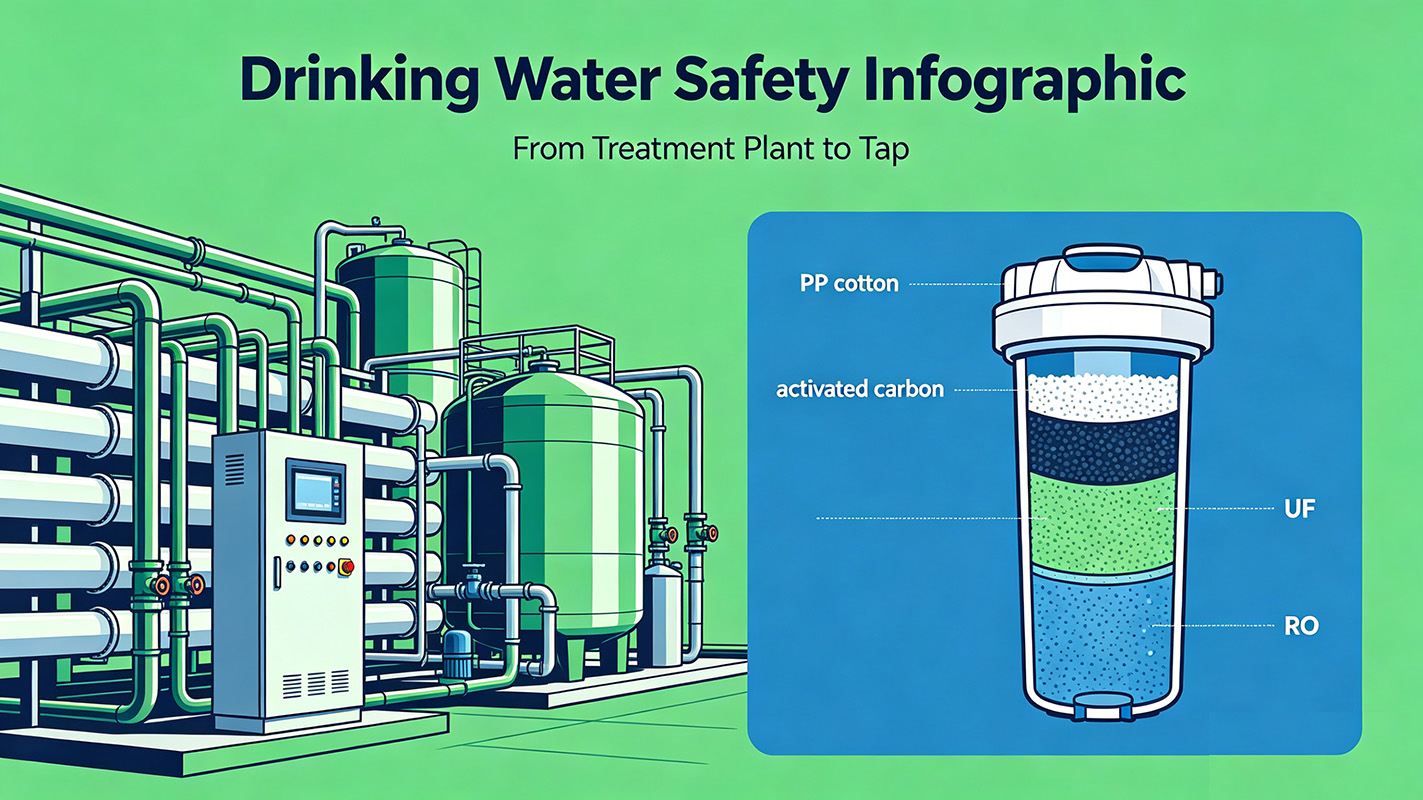
For added peace of mind, many households choose to install home water filtration systems. Common types of home filters include:
PP Cotton Filters: Remove sediment and rust.
Activated Carbon Filters: Reduce residual chlorine levels and remove odors and organic matter.
Ultrafiltration (UF) Filters: Remove bacteria and colloidal particles.
Reverse Osmosis (RO) Filters: Remove heavy metals, ions, and nitrates, producing purified water.
In a Nutshell
Raw Water → Screening → Coagulation → Sedimentation → Filtration → Disinfection → Transmission & Distribution → Home Delivery. Through a combined approach of physical purification and chemical disinfection, water quality is brought into compliance with national drinking water hygiene standards, thereby ensuring drinking water safety.
Whether you are simply curious about the treatment process behind your home's tap water or looking to explore home filtration solutions, this guide covers the essential steps involved in safeguarding the safety of your drinking water.