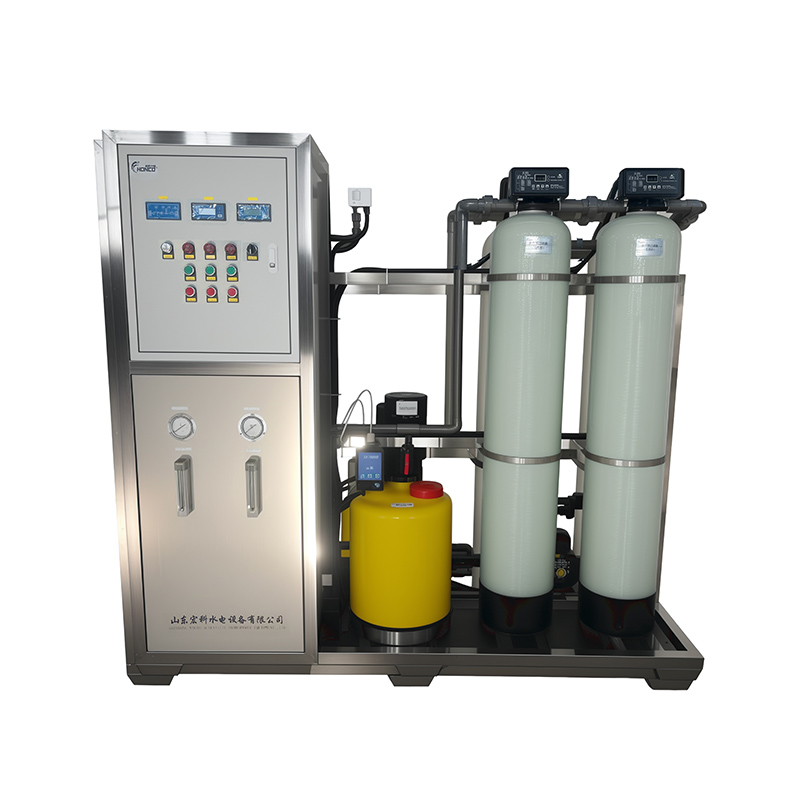
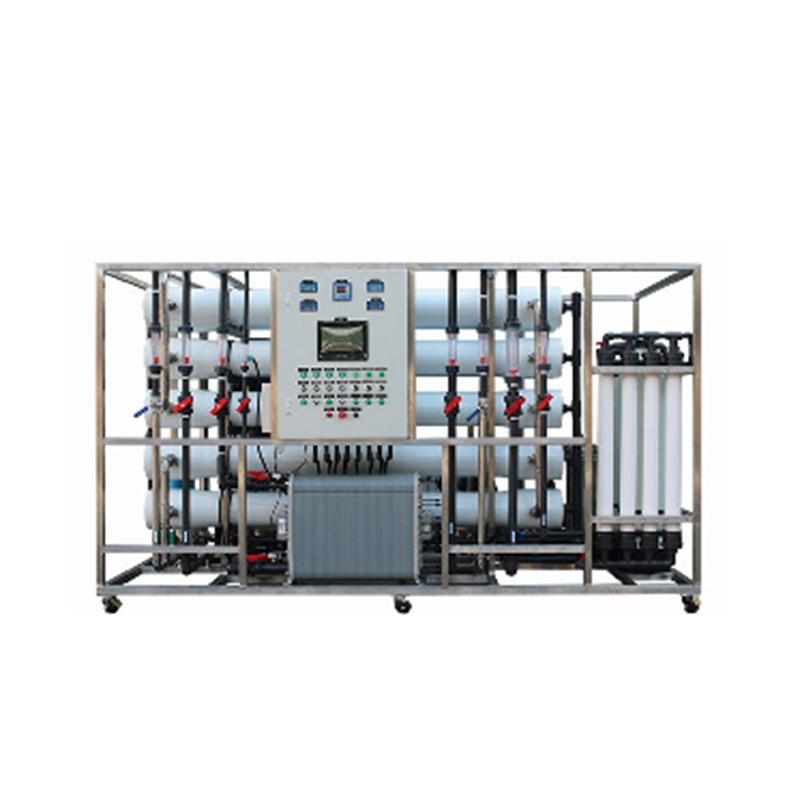
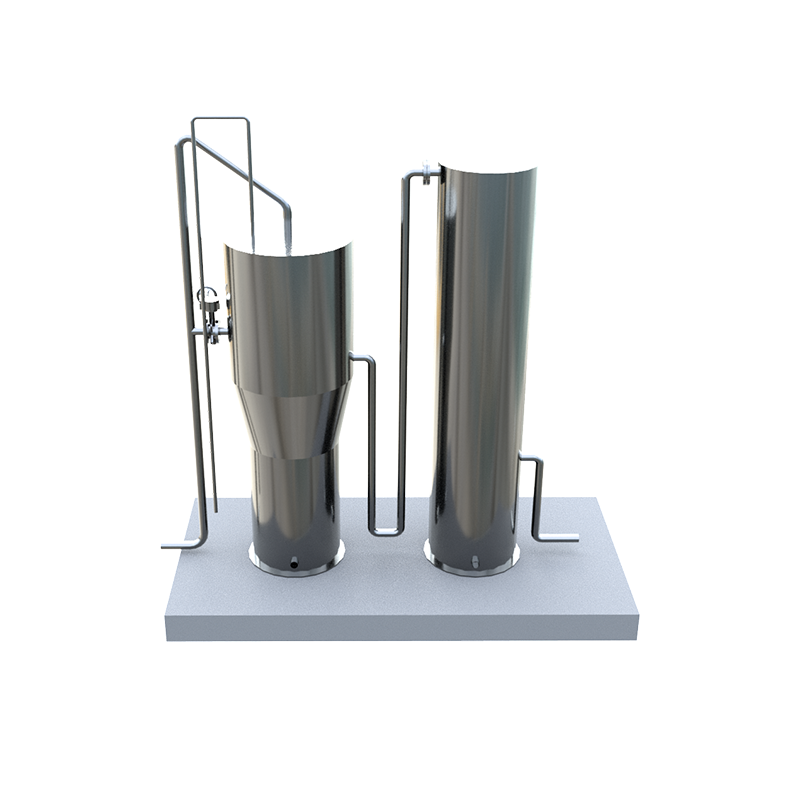
Driven by the dual demands of global water resource protection and water quality upgrading, activated carbon water treatment technology has become a key solution for water pollution control, leveraging its core advantages of efficient adsorption and environmental friendliness. In China, with the advancement of the "dual carbon" goals, the upgrading of water treatment standards, and the strengthening of environmental protection policies, this technology is penetrating multiple scenarios—from industrial wastewater treatment to drinking water purification and advanced municipal sewage treatment. The market size is expected to exceed 38 billion yuan by 2028, presenting broad application prospects.
I. Core of Technology: Adsorption Principle Empowers Full-Scenario Water Purification
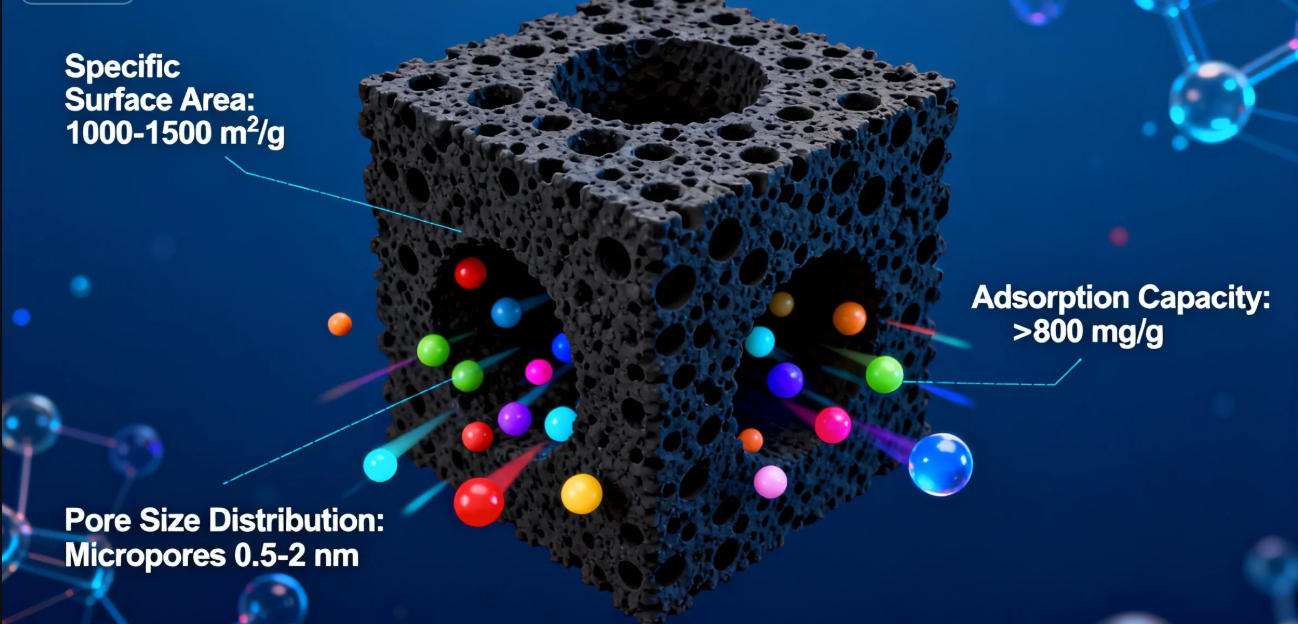
The surface of activated carbon is covered with micron-level pores (with a specific surface area of up to 500-1500 m²/g). It can physically adsorb suspended solids and odor molecules, and chemically adsorb heavy metal ions (such as lead and mercury), organic pollutants (such as benzene and phenols), as well as residual chlorine.
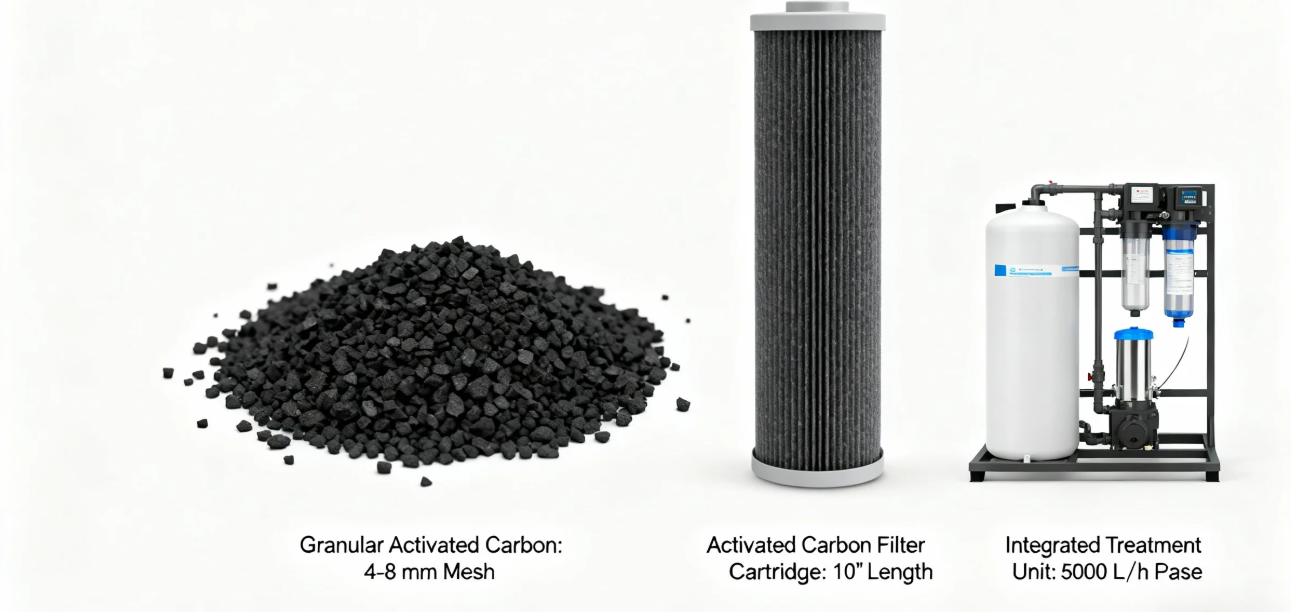
It is classified into granular activated carbon (GAC), powdered activated carbon (PAC) and honeycomb activated carbon based on application scenarios. Among them, granular activated carbon is widely used in industrial and municipal projects due to its strong regenerability, while powdered activated carbon is suitable for emergency treatment of sudden water pollution.
When combined with combined processes such as ozone oxidation and biodegradation, it can further improve treatment efficiency. The removal rate of refractory organic matter reaches more than 95%, which is far higher than that of traditional filtration technology.
II. Application Scenarios in China: From Industrial Necessity to Full Coverage of Livelihood Security
1. Industrial Wastewater Treatment: A "Purification Tool" for High-Pollution Scenarios
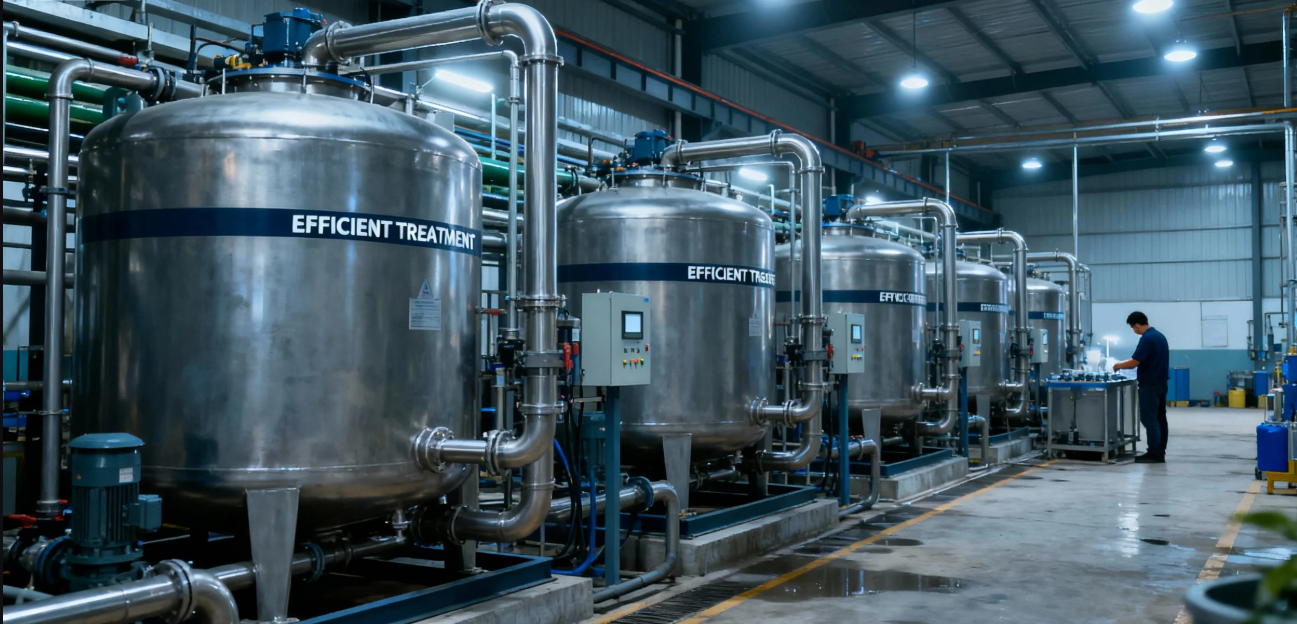
For high-concentration organic wastewater in industries such as chemical engineering, printing and dyeing, and electroplating, the "activated carbon adsorption + biochemical treatment" process is adopted. This can increase the removal rate of COD and BOD to more than 85%, meeting the first-class discharge requirements of the Integrated Wastewater Discharge Standard (GB 8978-1996).
In the treatment of oil-containing wastewater in the coal and petrochemical industries, activated carbon can adsorb oil substances and soluble organic matter. This helps increase the wastewater reuse rate to 70% and reduce the water resource consumption of enterprises.
2. Drinking Water Purification: The "Last Line of Defense" for Terminal Water Quality Safety
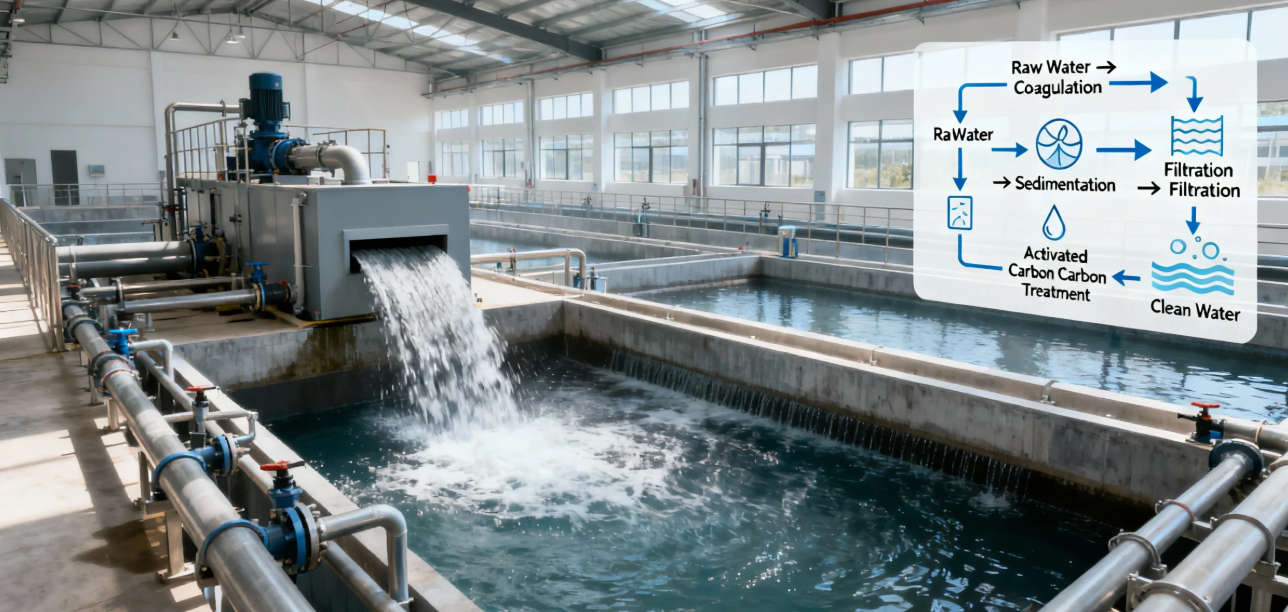
More than 60% of water supply plants at or above the county level across the country have adopted the activated carbon advanced treatment process. In the treatment of micro-pollution in water sources, it can effectively remove algal toxins and pesticide residues, significantly improving the taste and safety of drinking water.
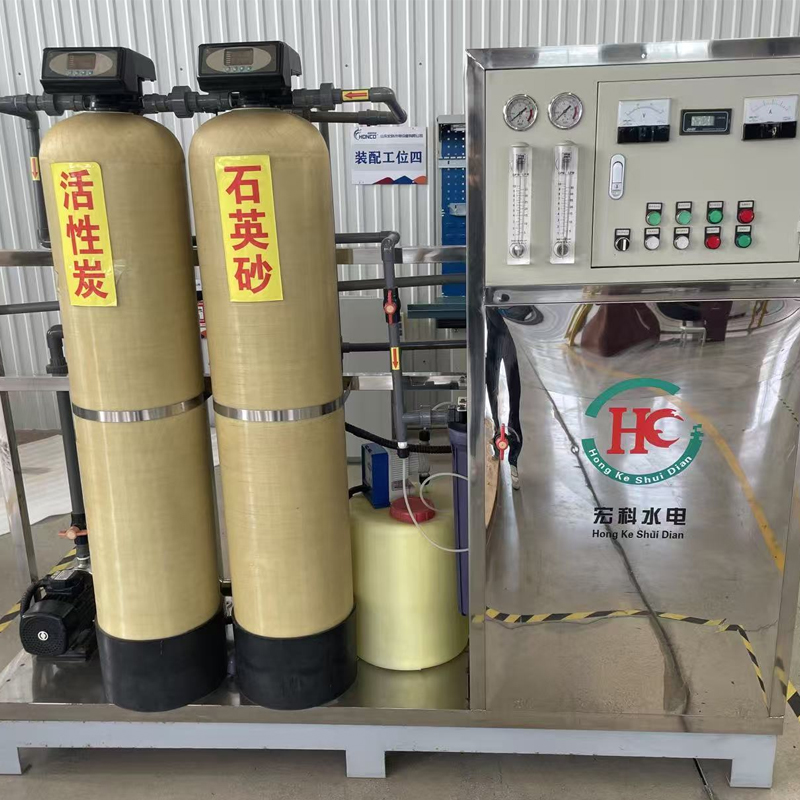
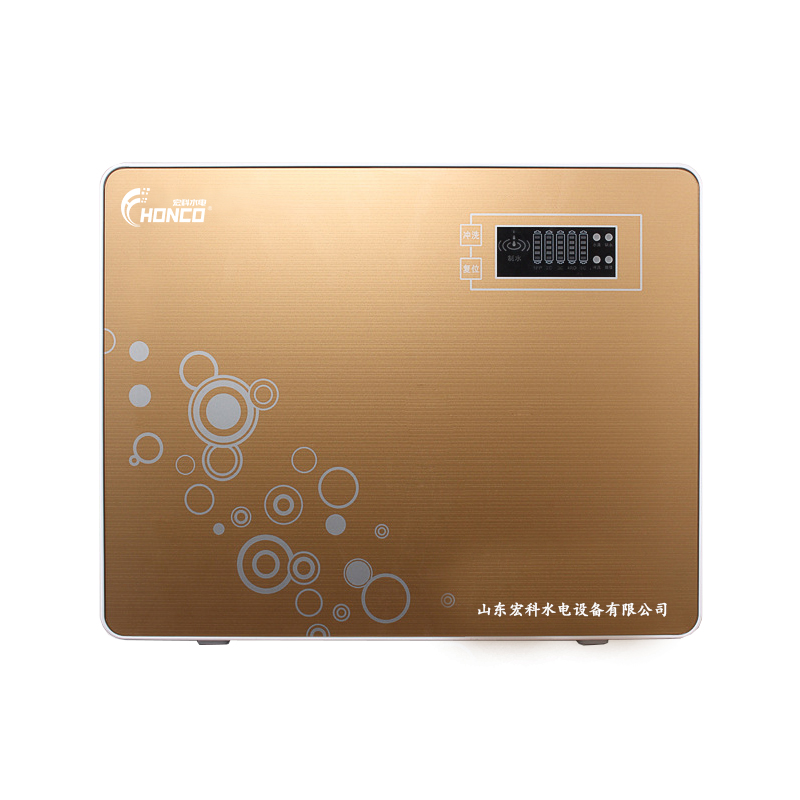
Activated carbon filter elements have become a standard configuration in household and commercial water purification equipment. When combined with RO membrane technology, they can achieve full-process purification from "water source to tap", adapting to the different water quality characteristics in northern and southern China.
3. Advanced Municipal Sewage Treatment: The "Key Support" for Recycled Water Utilization
With the advancement of China's recycled water utilization target (reaching 35% by 2025), activated carbon technology is widely used in the upgrading and reconstruction of municipal sewage treatment. The treated recycled water can be used for greening irrigation, industrial cooling, and river replenishment.
First-tier cities such as Beijing, Shanghai, and Shenzhen have built a number of activated carbon advanced treatment recycled water plants. The daily treatment capacity exceeds 100,000 tons, providing core technical support for urban water resource circulation.
4. Special Scenario Governance: Surge in Demand for Emergency and Special Purification
In sudden water pollution incidents, powdered activated carbon can be added quickly to adsorb pollutants within 1-2 hours, ensuring the safety of drinking water.
In scenarios such as aquaculture and seawater desalination pretreatment, activated carbon can remove odors and colloidal substances in water, improving the survival rate of aquaculture and desalination efficiency.
III. Market Prospects: Driven by Both Policy and Demand, Potential Continues to Be Released
Policy Level: The 14th Five-Year Plan for the Development of Urban Sewage Treatment and Resource Utilization clearly requires improving the advanced sewage treatment capacity. The Regulations on the Protection of Drinking Water Sources strengthens the management of micro-pollution, providing policy dividends for technological application.
Market Demand: Projects such as environmental protection transformation of industrial enterprises, upgrading of old water plants, and rural drinking water safety projects are continuously implemented. This drives the annual growth of demand for activated carbon water treatment equipment and services by more than 12%.
Technological Upgrading: Domestic activated carbon materials have achieved iteration. The adsorption capacity and regeneration efficiency of wood-based activated carbon and coal-based activated carbon have increased by 30%, while costs have decreased by 20%. This breaks the dependence on imports and promotes the large-scale application of the technology.
IV. Industry Trends: Intelligence and Green Development Become Core Directions
Intelligent Integration: Equipment will integrate IoT monitoring modules to monitor the adsorption saturation of activated carbon in real time. It can automatically issue early warnings for replacement or regeneration, reducing operation and maintenance costs.
Upgrading of Regeneration Technology: Technologies such as high-temperature regeneration and microwave regeneration will be promoted. This will increase the regeneration rate of activated carbon to more than 90% and reduce resource consumption.
Material Innovation: The R&D of new modified activated carbon (metal ion-loaded activated carbon, biological activated carbon) is accelerating. The adsorption efficiency for specific pollutants has increased by more than 50%, making it suitable for more complex water quality scenarios.
From industrial governance to livelihood security, from urban circulation to international export, activated carbon water treatment technology is becoming a core support for China's water pollution control and water resource utilization. With the continuous iteration of technology and the continuous expansion of application scenarios, it will not only help China achieve the ecological goal of "clear water and green banks", but also play an important role in global water resource protection.